2653
1’-9” x 2’-7”
AGE & ORIGIN:
c. 1900
Persia
OVERVIEW:
While pockets of Afshar exist in different parts of Persia, the tribe is mostly known for their weavings having come out of the Kerman (Kirman) area of Southwest Persia.
Of these productions, the vast majority are tribal in nature, featuring the motifs and drawn in a way that designate them as such. However, it is of note that influence of the more aristocratic Persian designs will occasionally trickle-down to these Southwest Persian tribes, including the Afshar, who will sometimes make these representations clear through their rugs and bags; enter this bag face.
This is a formal, Afshar bag face. Drawing linework from more flowery designs of ‘city’ rugs (most likely being a ‘city’ piece itself from the evident cotton construction). In fact, one might draw design parallels to an Ahari Heriz or Tabriz, with the use of a very familiar central medallion and four spandrels. The precision in drawing of the curvilinear portions is impressive, in both the spandrels and the borders, yet what may be more impressive is the execution of this linework manages to be fluid, more alive, less stiff, which is something these formal types often have a hard time shaking.
The use of color is quite impressive as well. While the field displays this tangerine color, a look at the back reveals this to have been a mellowing, as this color, at one point, was a bit more red. A secondary copper color is used for some of the accents, bucking outlines between to the two similar tones in favor of a flowing color change.
It’s admittedly in an odd spot, as most who are interested in the Afshar and Southwest Persia are often drawn to the more tribal pieces. This bag offers something slightly different. A look at how a weaver of a particular tribe might opt for a completely different design and ultimately create something highly unusual (and beautiful) in the process, which does make me wonder if the piece might have been woven exclusively for personal use, however, this is just a guess, an neither adds nor detracts from the intrinsic beauty of the whole.
CONDITION:
Excellent with full, even pile; minor kilim loss. Edges have been rewound with new wool.
2653
1’-9” x 2’-7”
AGE & ORIGIN:
c. 1900
Persia
OVERVIEW:
While pockets of Afshar exist in different parts of Persia, the tribe is mostly known for their weavings having come out of the Kerman (Kirman) area of Southwest Persia.
Of these productions, the vast majority are tribal in nature, featuring the motifs and drawn in a way that designate them as such. However, it is of note that influence of the more aristocratic Persian designs will occasionally trickle-down to these Southwest Persian tribes, including the Afshar, who will sometimes make these representations clear through their rugs and bags; enter this bag face.
This is a formal, Afshar bag face. Drawing linework from more flowery designs of ‘city’ rugs (most likely being a ‘city’ piece itself from the evident cotton construction). In fact, one might draw design parallels to an Ahari Heriz or Tabriz, with the use of a very familiar central medallion and four spandrels. The precision in drawing of the curvilinear portions is impressive, in both the spandrels and the borders, yet what may be more impressive is the execution of this linework manages to be fluid, more alive, less stiff, which is something these formal types often have a hard time shaking.
The use of color is quite impressive as well. While the field displays this tangerine color, a look at the back reveals this to have been a mellowing, as this color, at one point, was a bit more red. A secondary copper color is used for some of the accents, bucking outlines between to the two similar tones in favor of a flowing color change.
It’s admittedly in an odd spot, as most who are interested in the Afshar and Southwest Persia are often drawn to the more tribal pieces. This bag offers something slightly different. A look at how a weaver of a particular tribe might opt for a completely different design and ultimately create something highly unusual (and beautiful) in the process, which does make me wonder if the piece might have been woven exclusively for personal use, however, this is just a guess, an neither adds nor detracts from the intrinsic beauty of the whole.
CONDITION:
Excellent with full, even pile; minor kilim loss. Edges have been rewound with new wool.


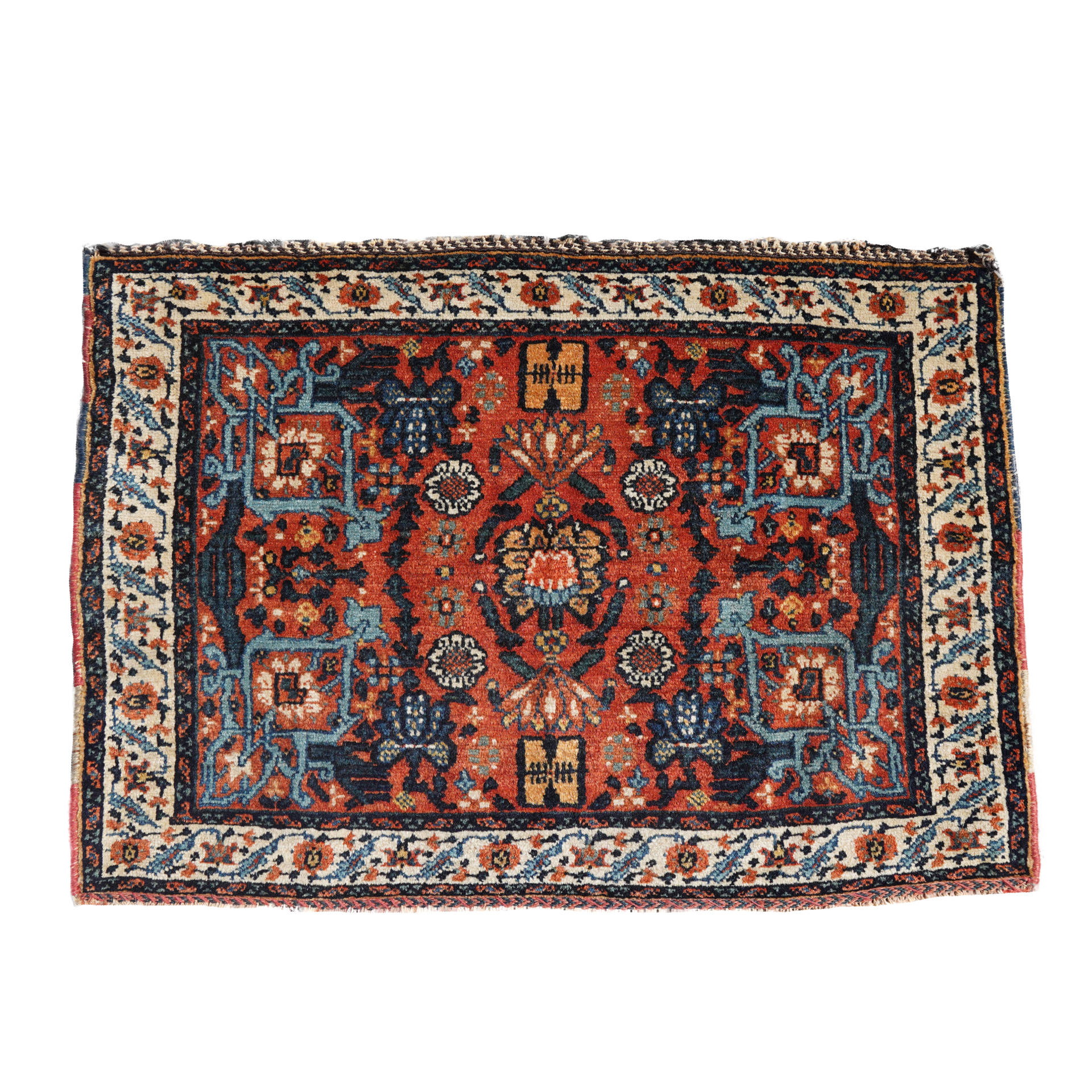 Image 1 of 7
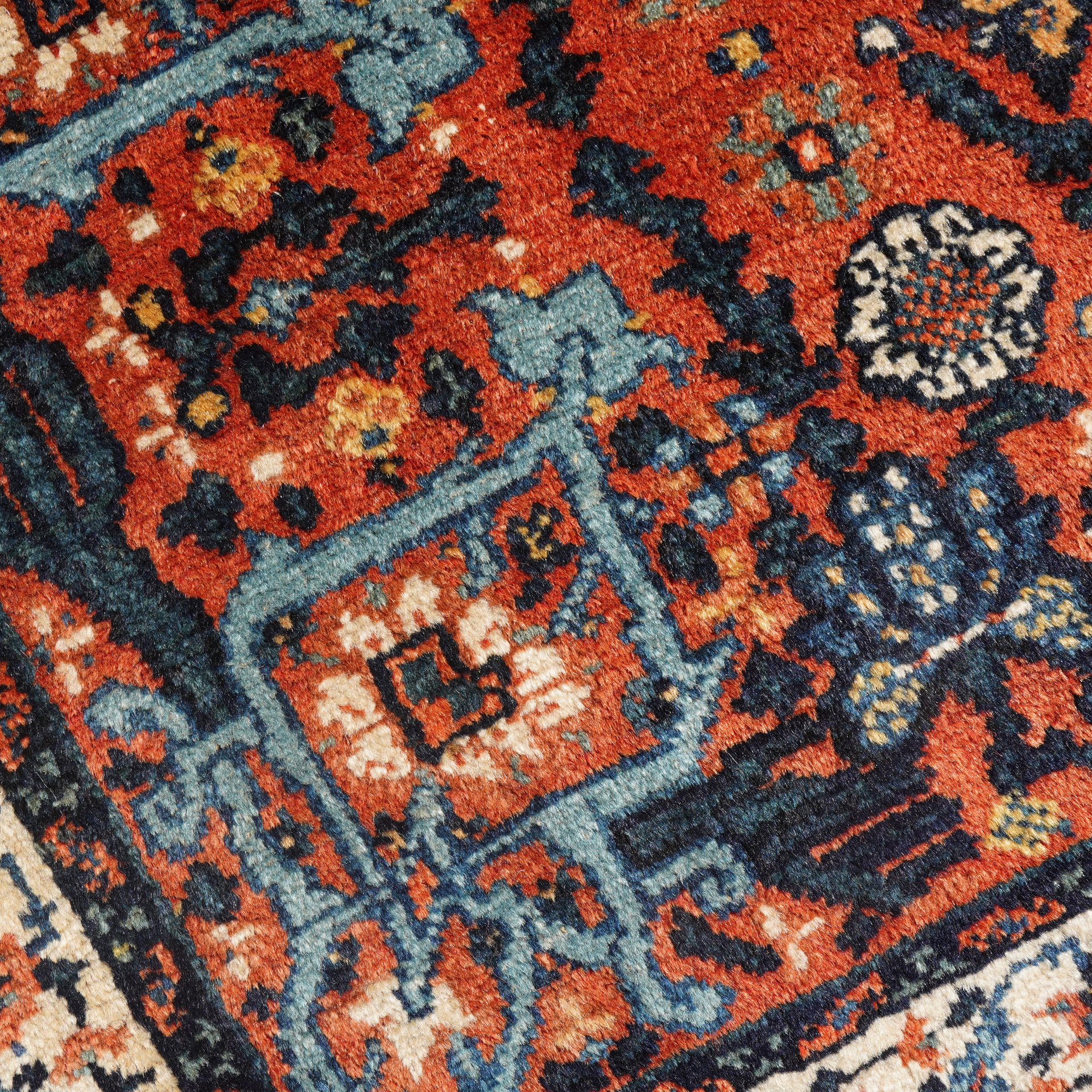 Image 2 of 7
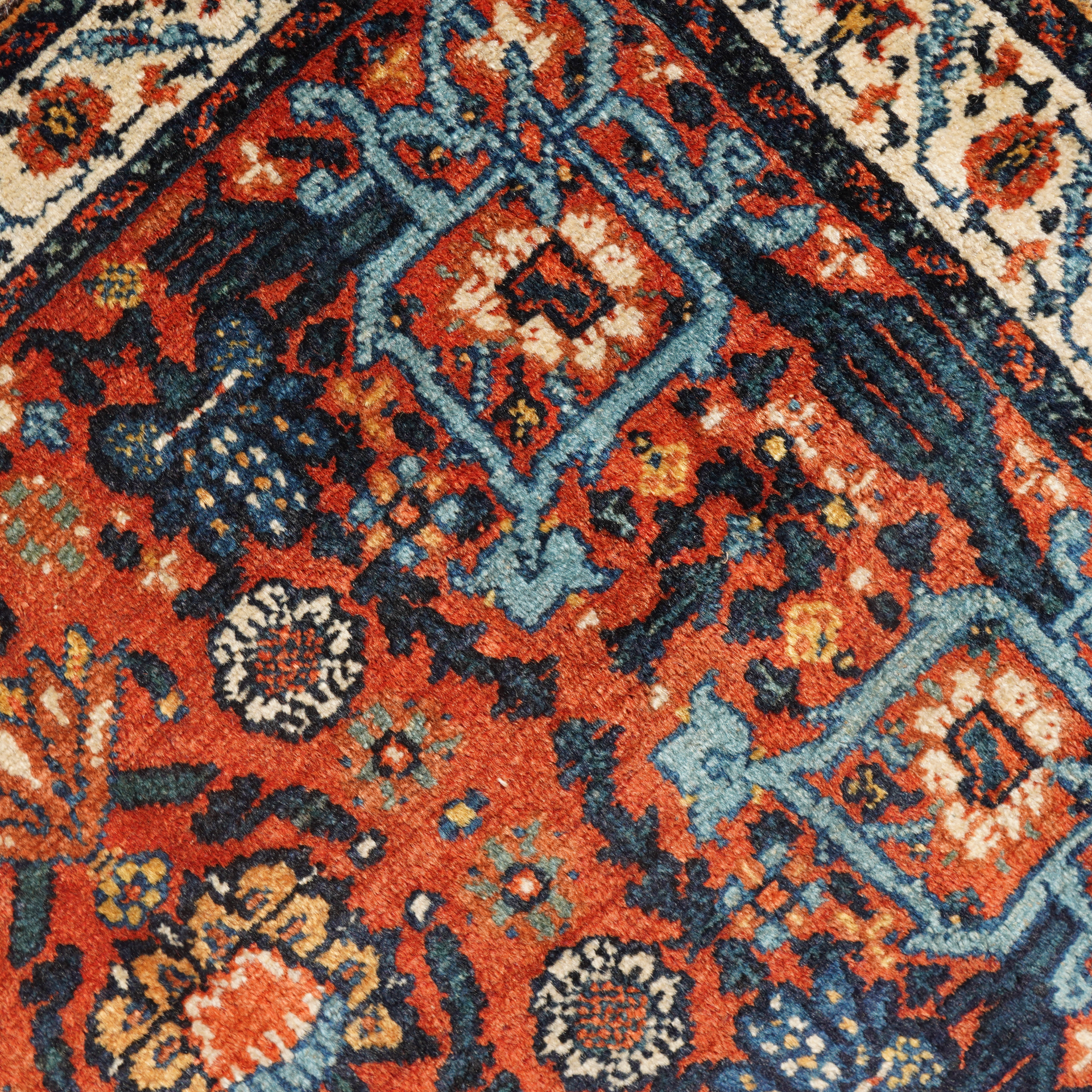 Image 3 of 7
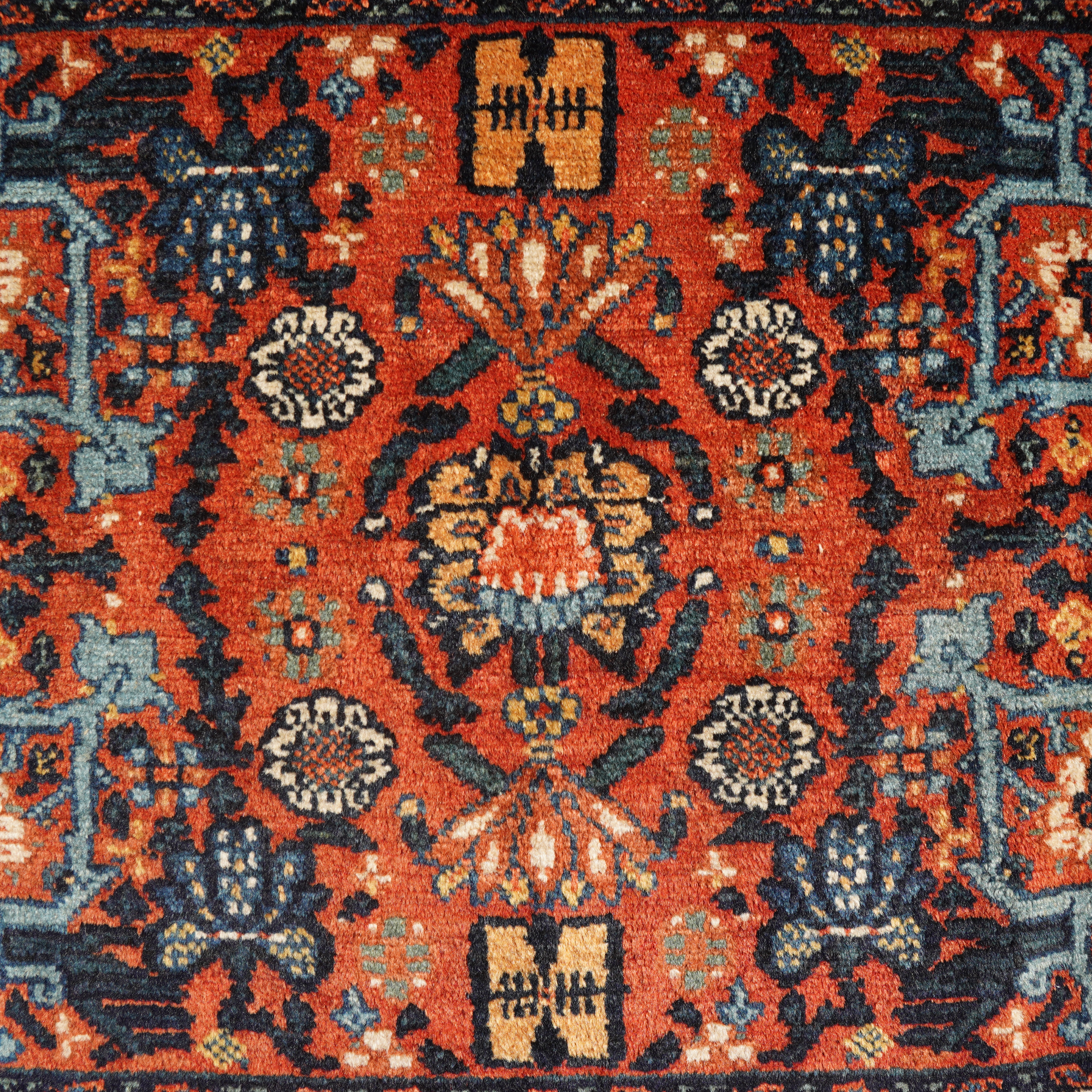 Image 4 of 7
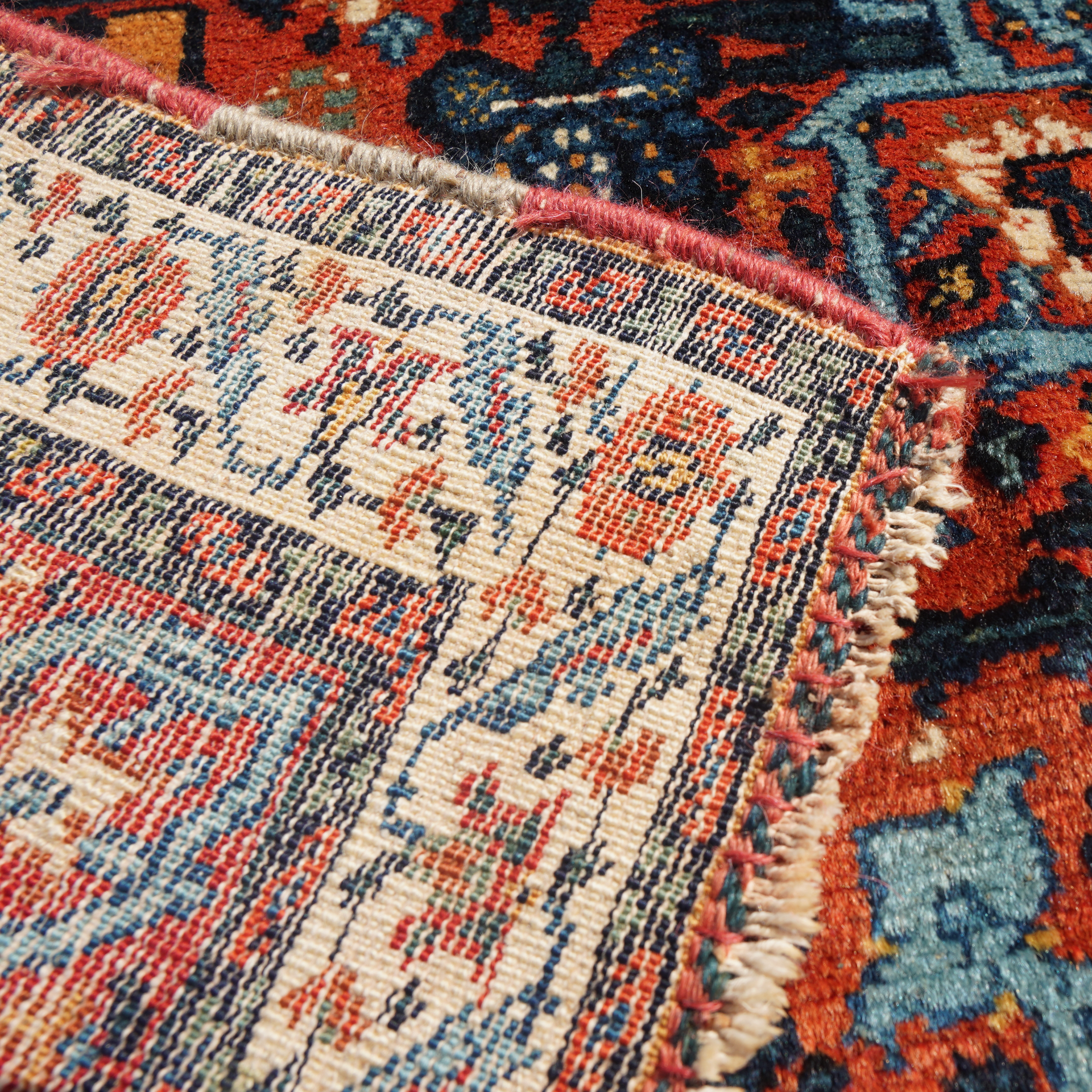 Image 5 of 7
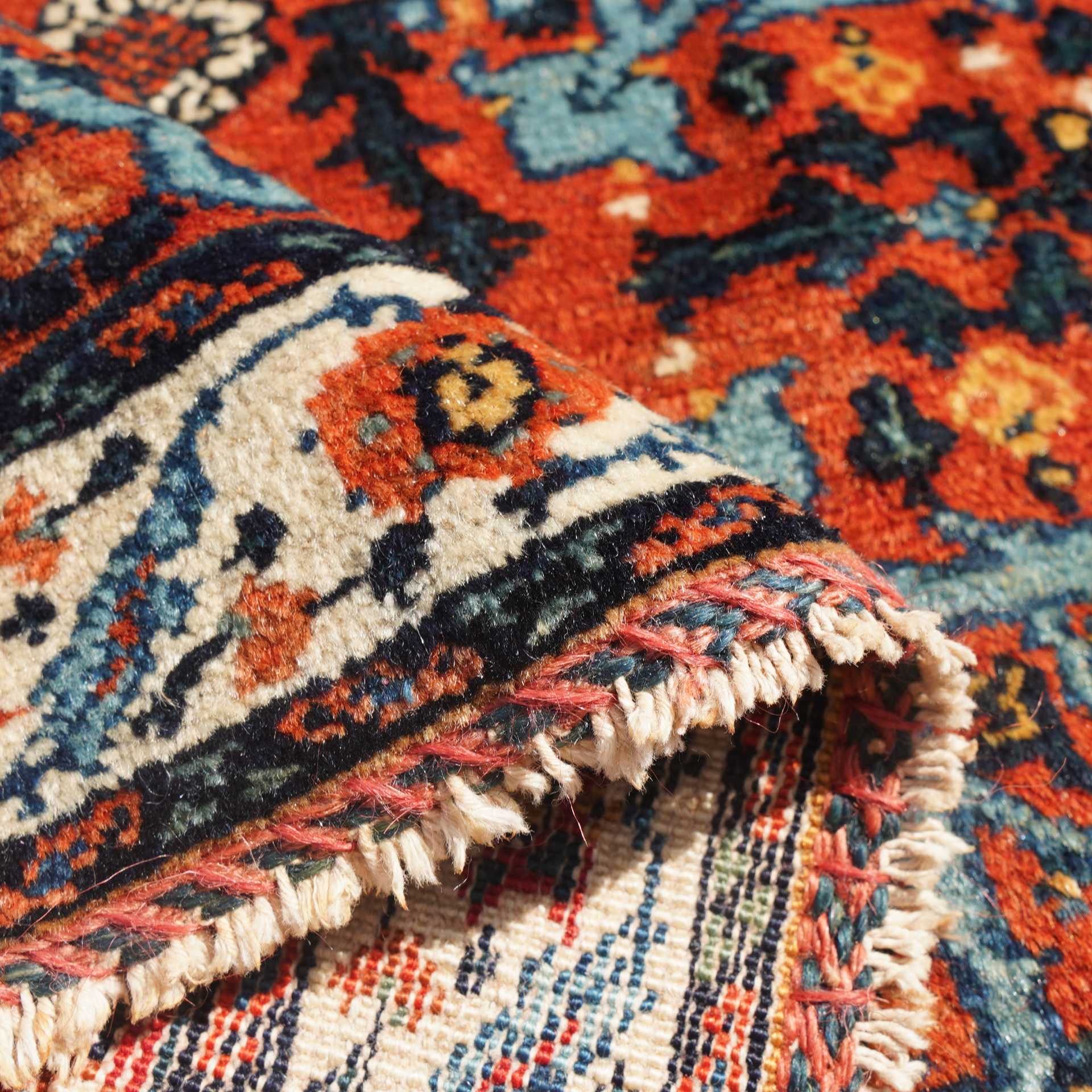 Image 6 of 7
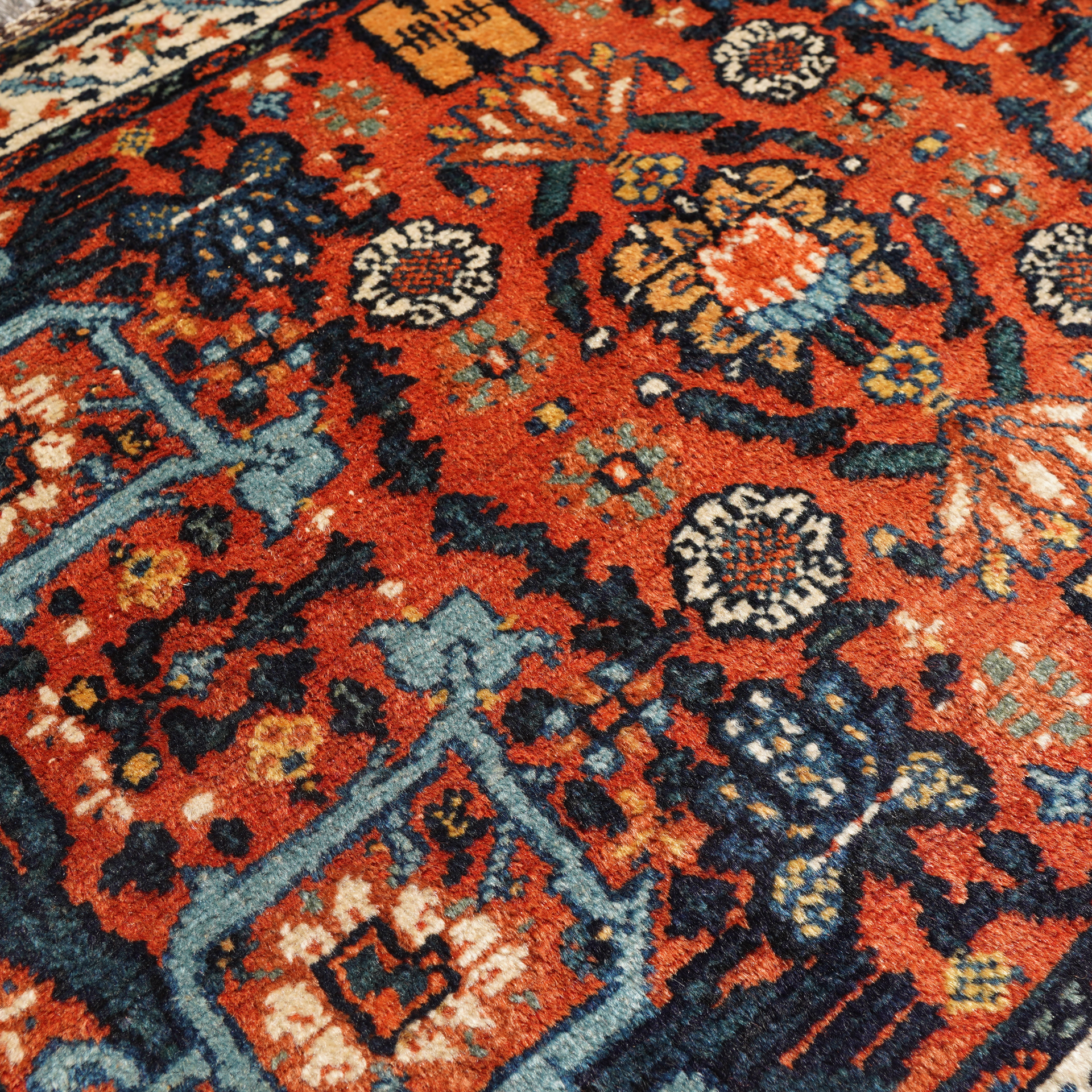 Image 7 of 7