#2567
AGE & ORIGIN:
c. 1940
Persia
OVERVIEW:
How does a rug become worn? Do we, as their owners, even notice when the thumbprint of our daily routine becomes etched into their very structure? Perhaps; at least after a while one might think.
There is a beauty in owning a rug with some wear already embossed into it. You become the inheritor to a stranger’s ghostly routine. The owner of an unknown regimen. While the rug itself is a work of art, the patina given to it is the mark of true identity.
This is a lovely vintage Heriz using natural dyes for all the most important colors. While certainly in the realm of the ‘central-medallion’ design group, there is a fantastic subtlety to these elements that make it almost closer to an ‘all-over’ pattern, with emphasis given more to the foliated features rather than the petaled central feature.
CONDITION:
Areas of minor visible distress.
NOTES:
#2567
AGE & ORIGIN:
c. 1940
Persia
OVERVIEW:
How does a rug become worn? Do we, as their owners, even notice when the thumbprint of our daily routine becomes etched into their very structure? Perhaps; at least after a while one might think.
There is a beauty in owning a rug with some wear already embossed into it. You become the inheritor to a stranger’s ghostly routine. The owner of an unknown regimen. While the rug itself is a work of art, the patina given to it is the mark of true identity.
This is a lovely vintage Heriz using natural dyes for all the most important colors. While certainly in the realm of the ‘central-medallion’ design group, there is a fantastic subtlety to these elements that make it almost closer to an ‘all-over’ pattern, with emphasis given more to the foliated features rather than the petaled central feature.
CONDITION:
Areas of minor visible distress.
NOTES:


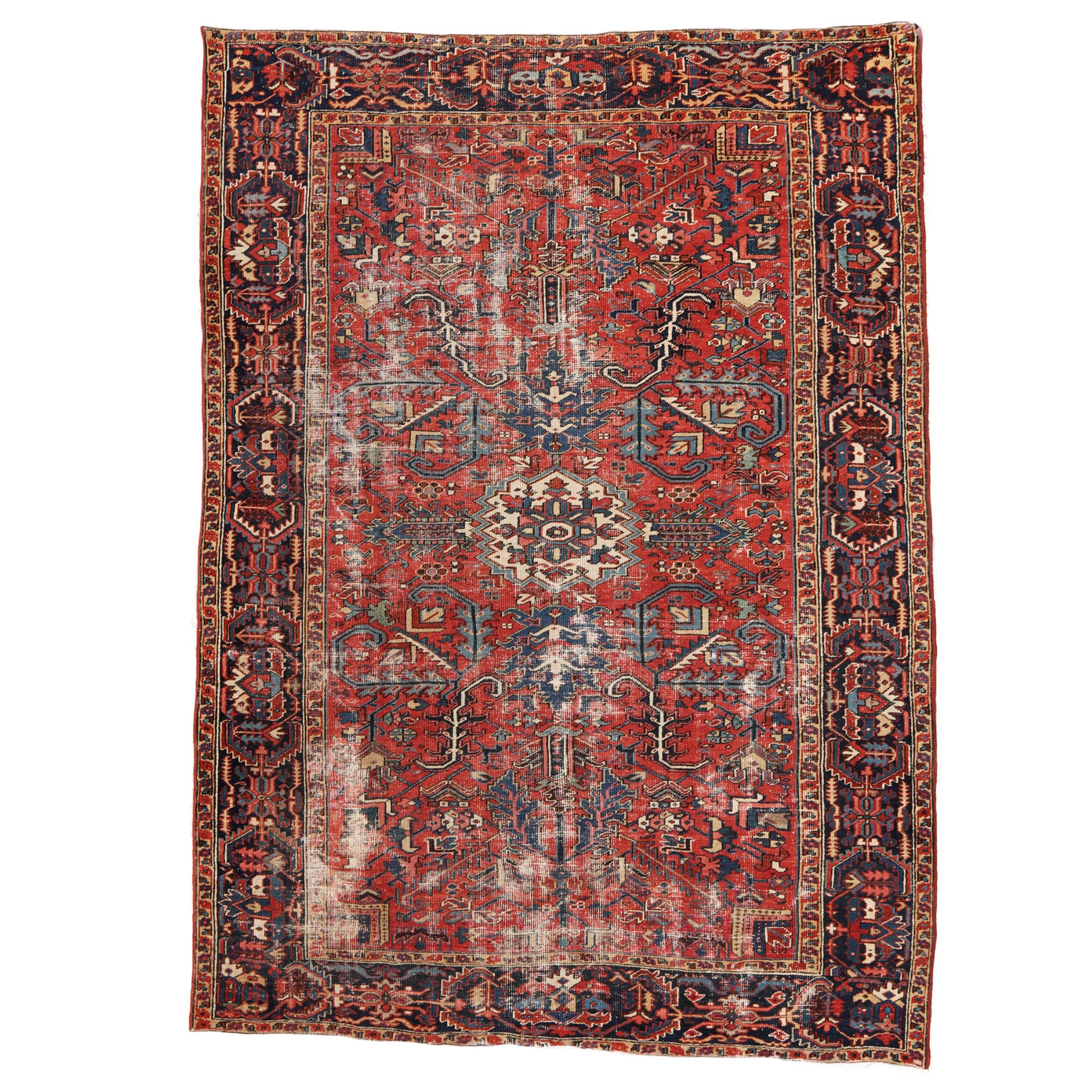 Image 1 of 12
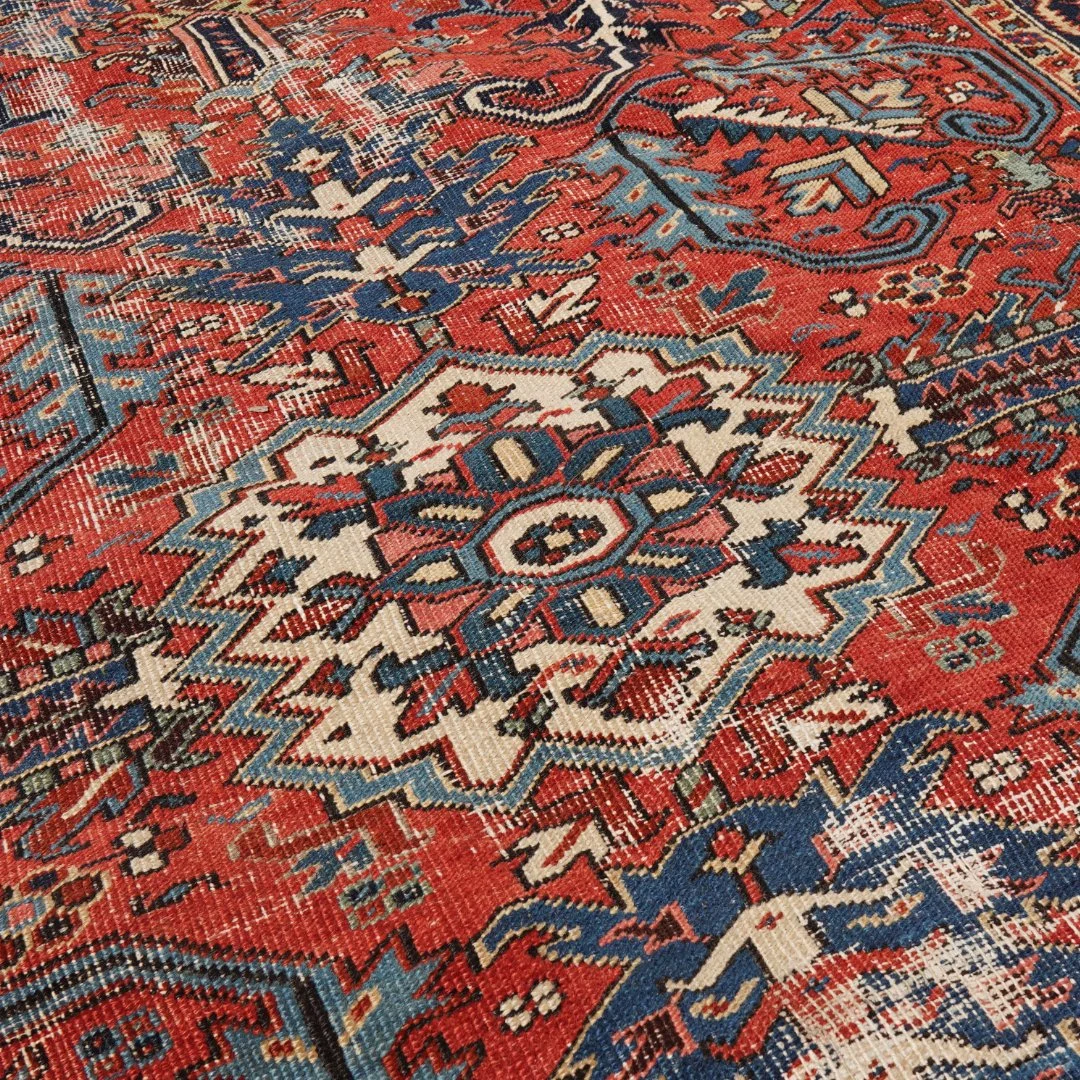 Image 2 of 12
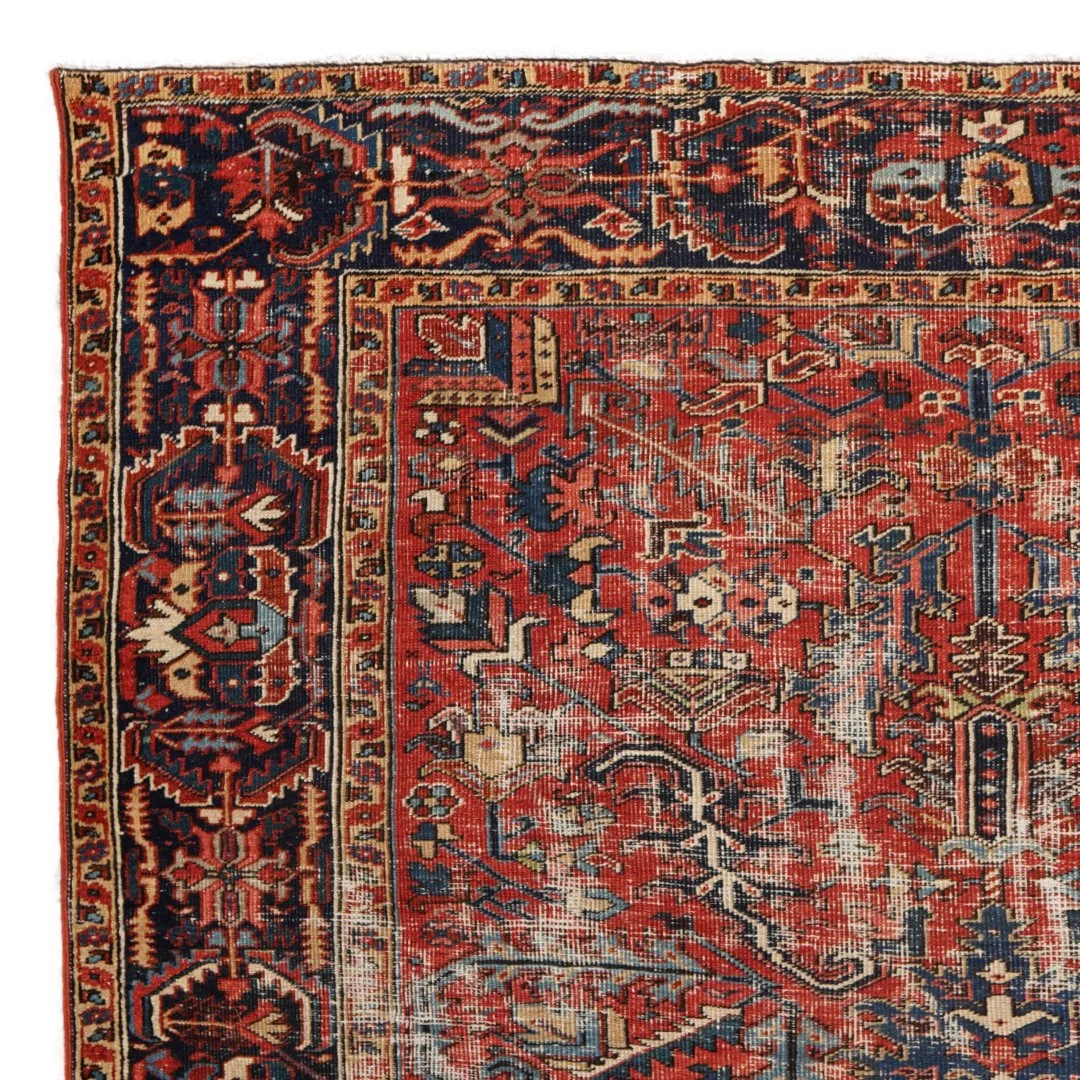 Image 3 of 12
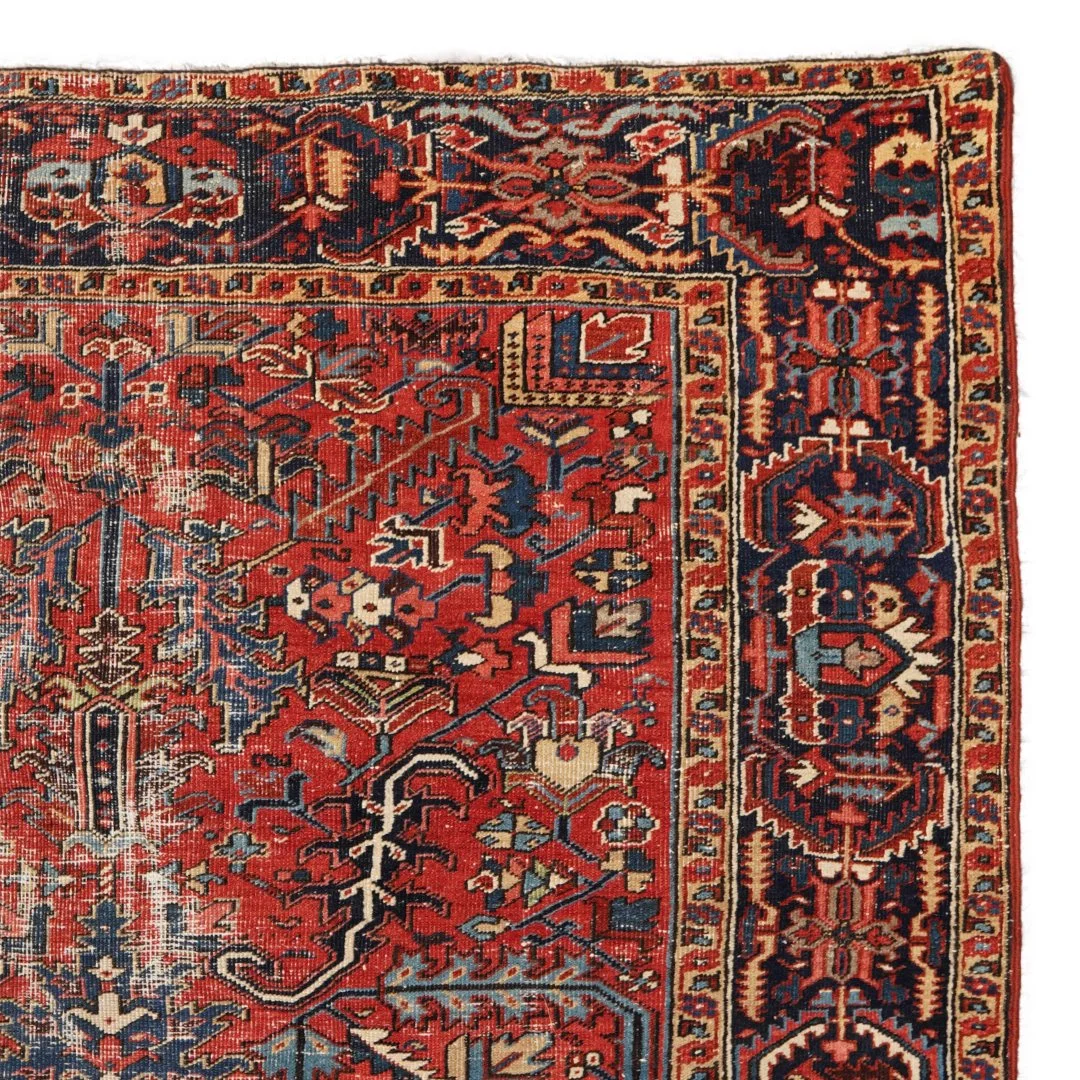 Image 4 of 12
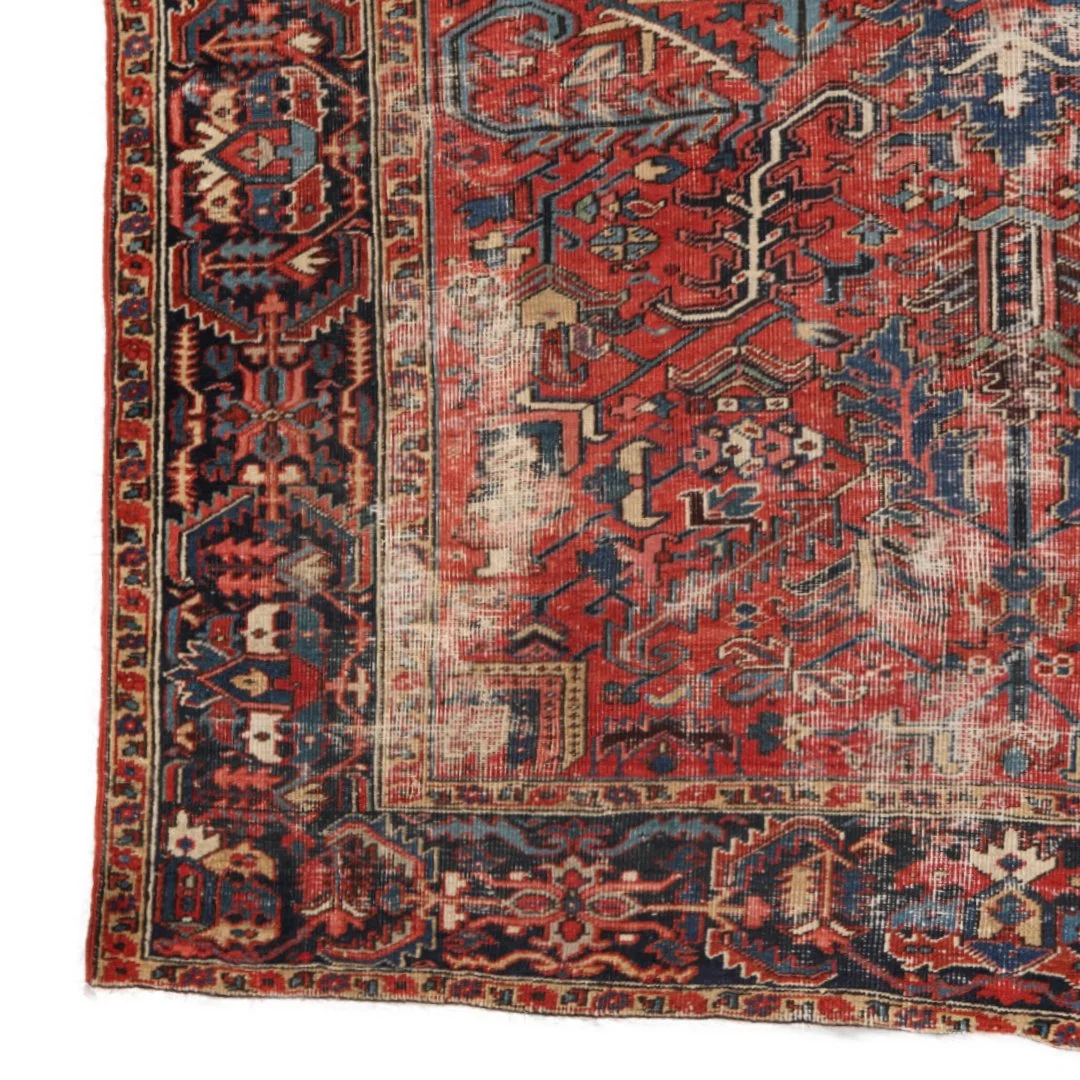 Image 5 of 12
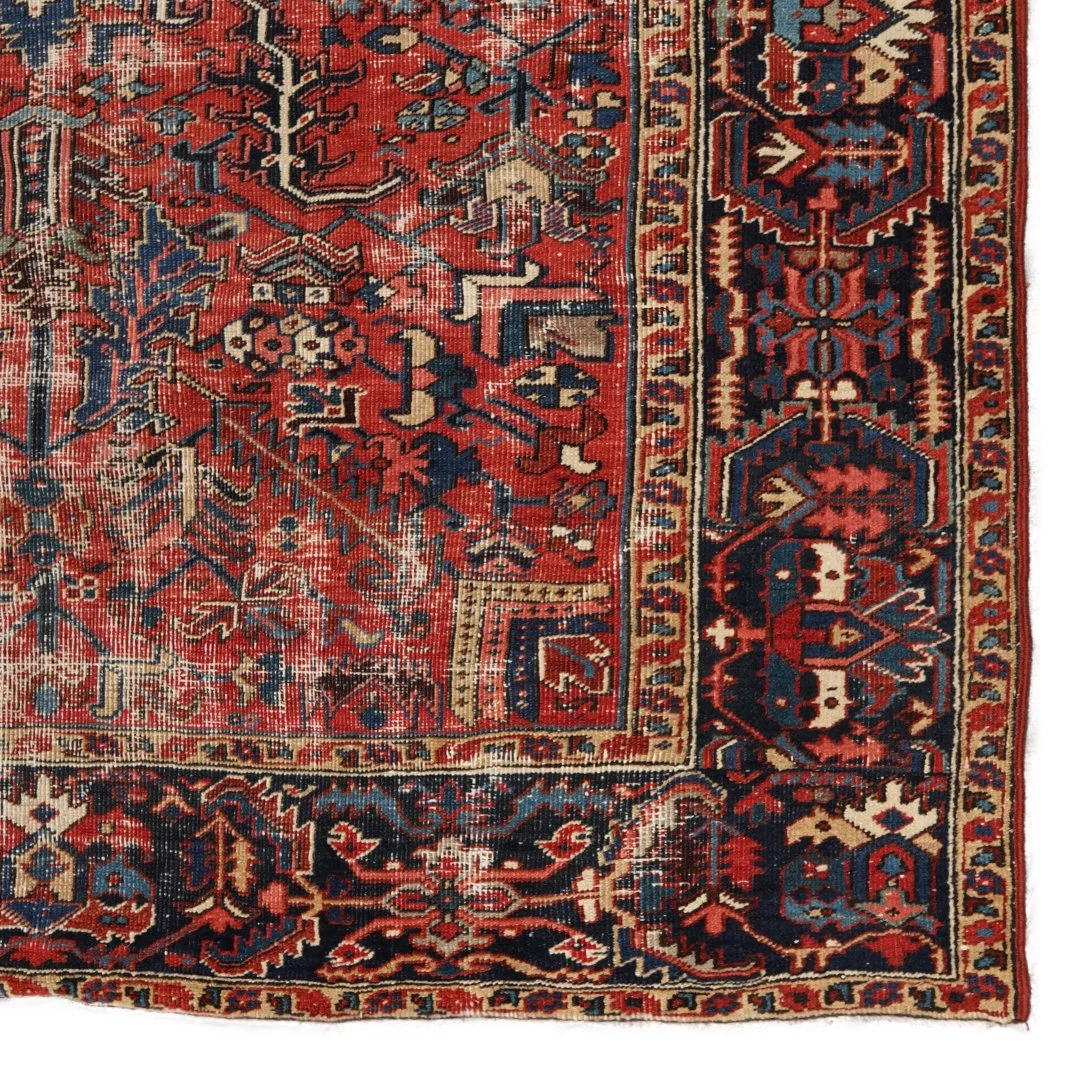 Image 6 of 12
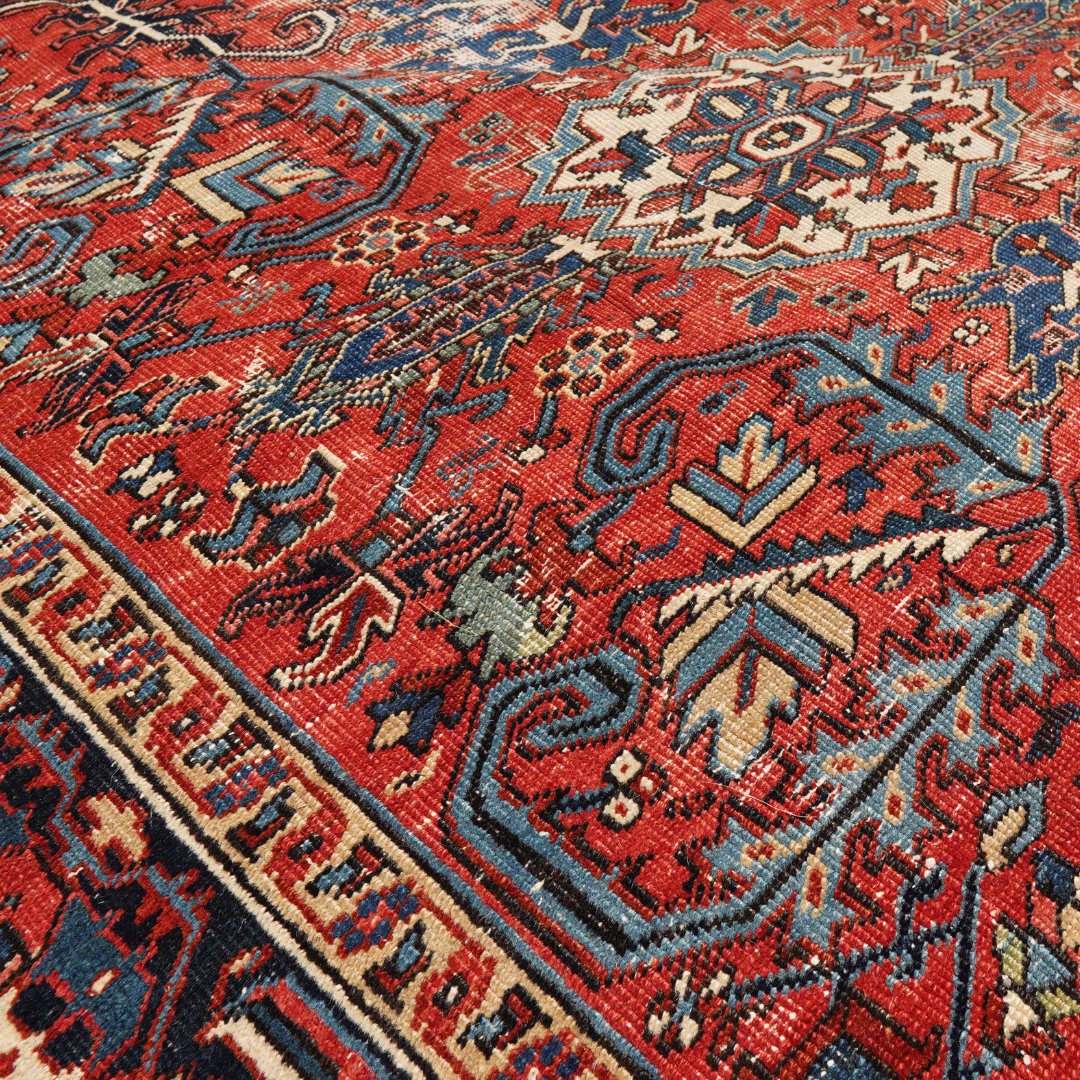 Image 7 of 12
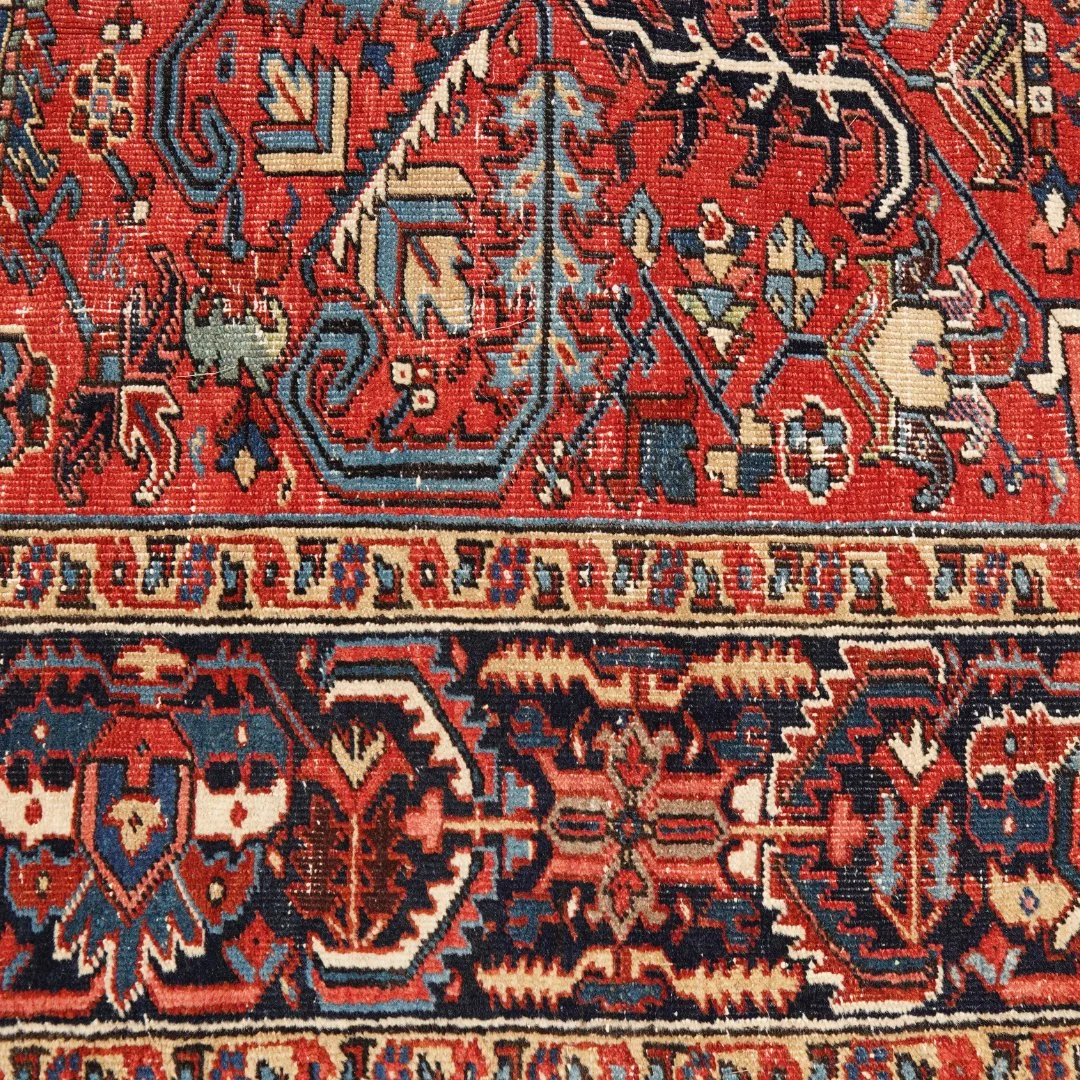 Image 8 of 12
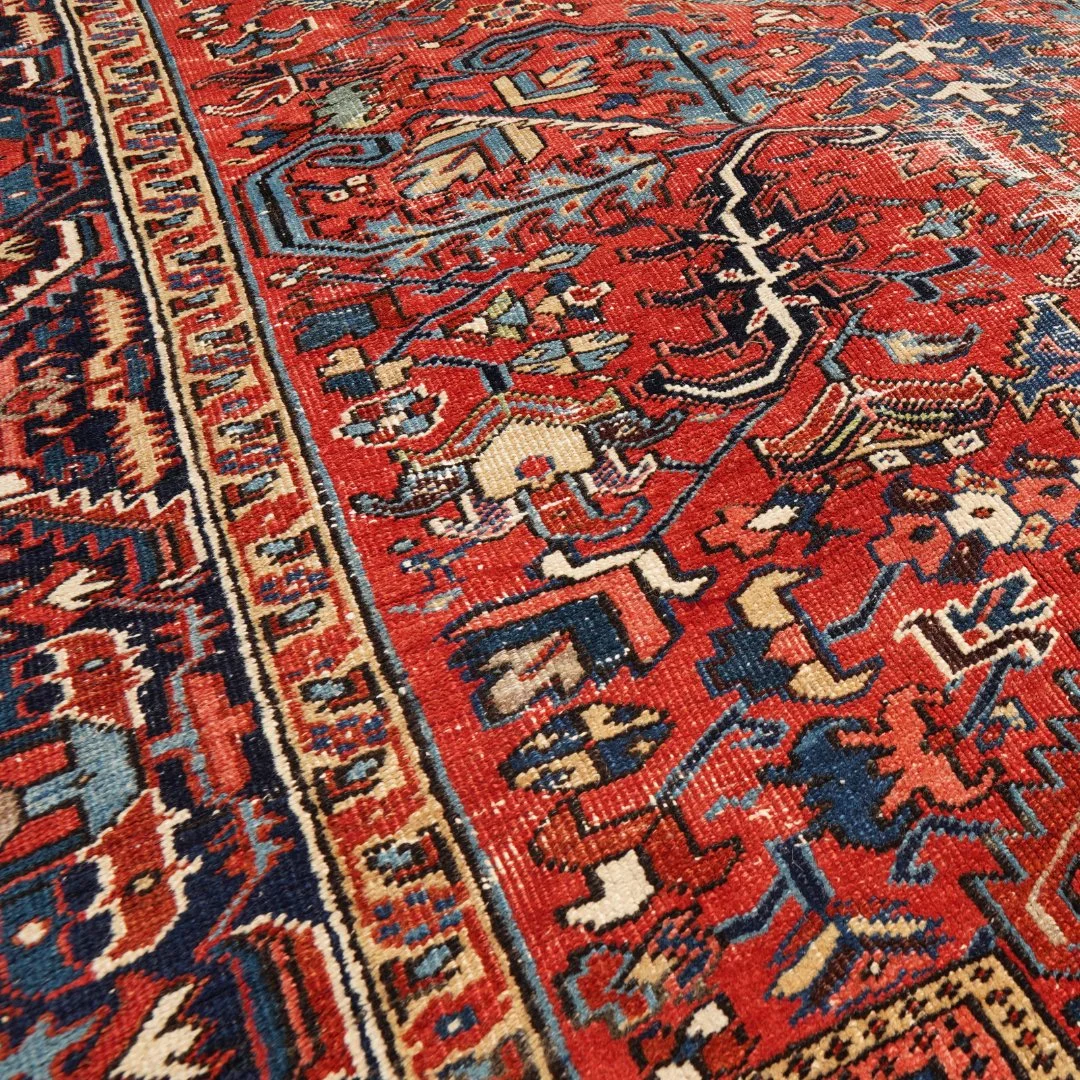 Image 9 of 12
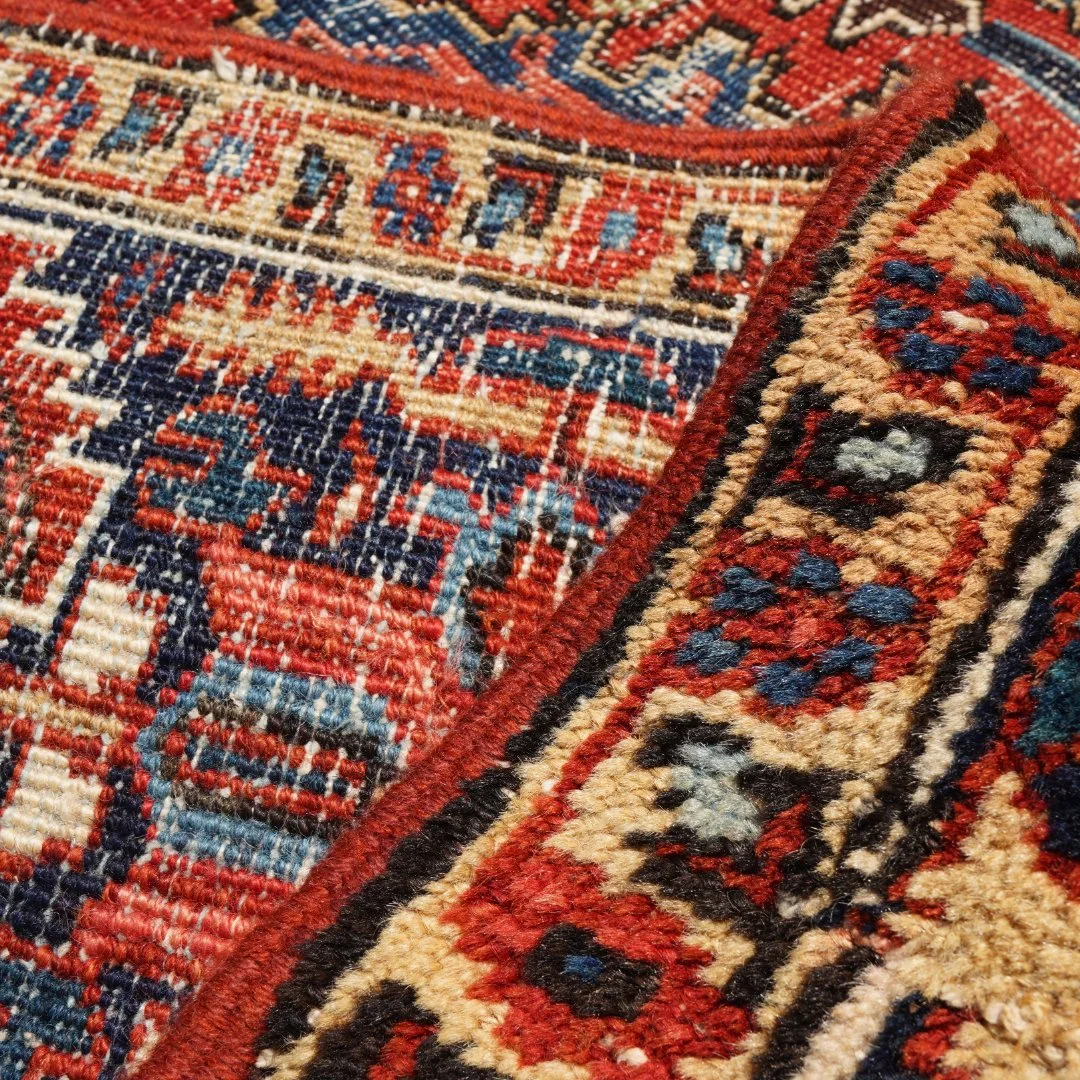 Image 10 of 12
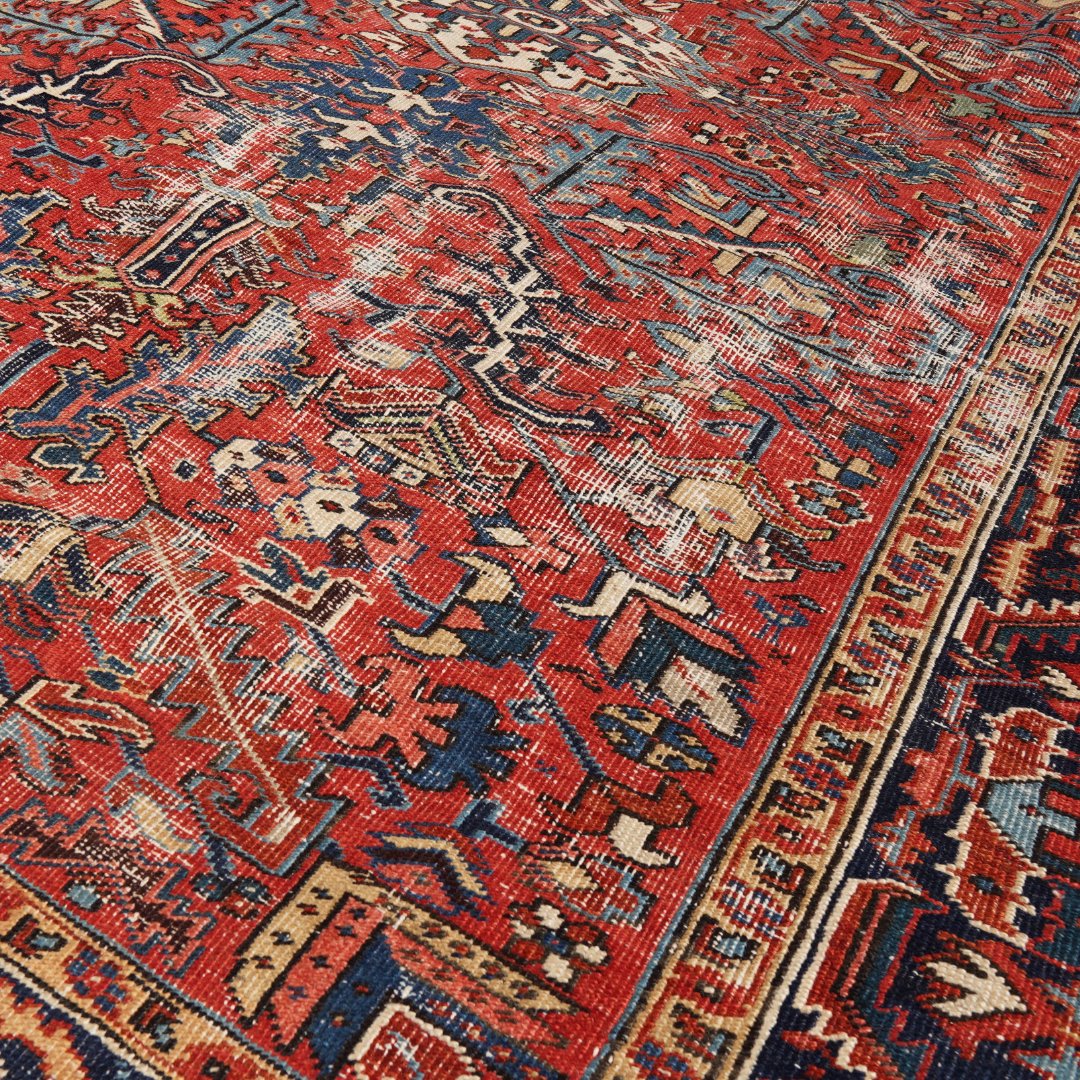 Image 11 of 12
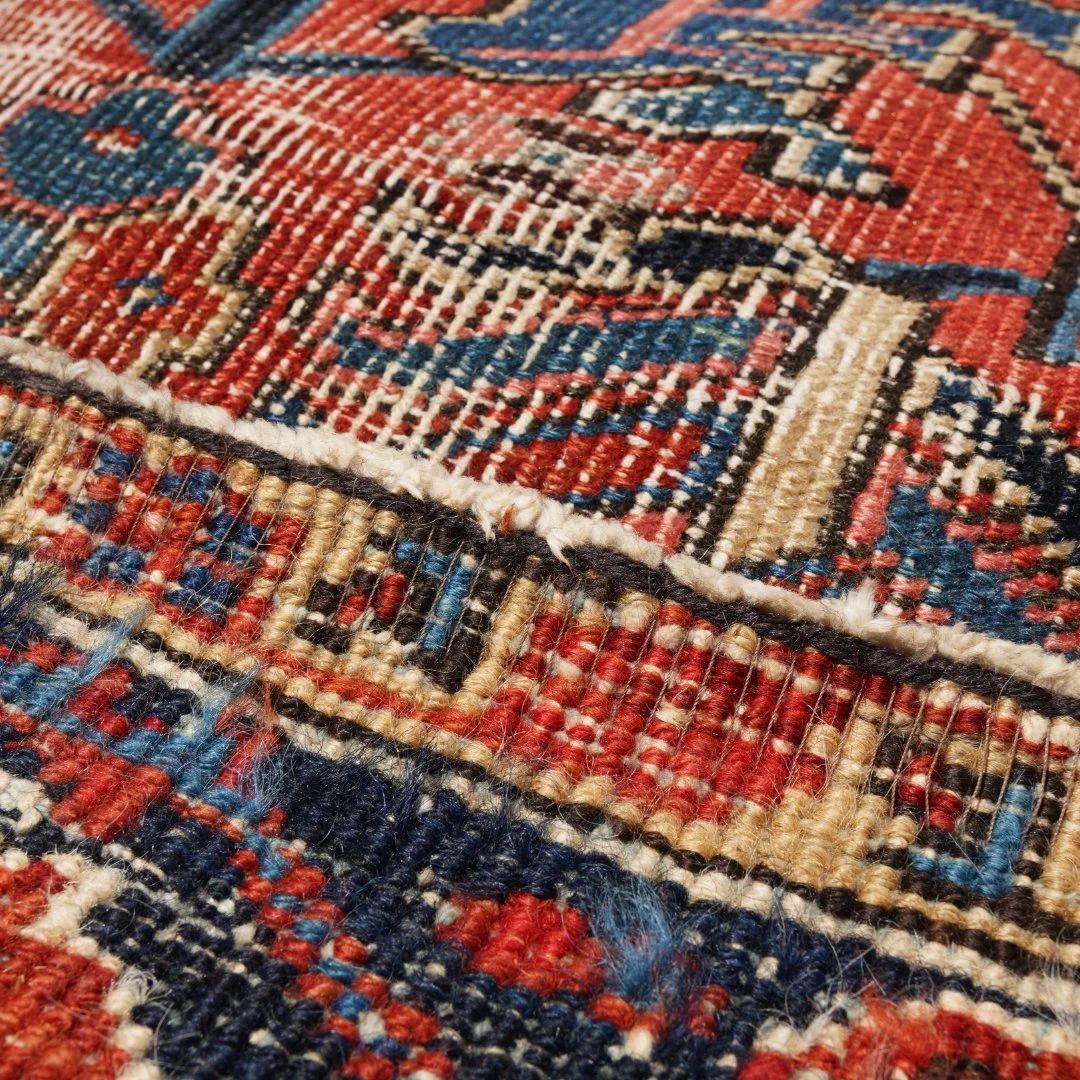 Image 12 of 12